An ideal ATAC-seq library shows a laddering pattern between 150-1,000 bp, where the post-PCR length reflects the sum of the fragment length, the Tn5 mosaic adapter, and the multiplexing primers (Figure 1). High-quality traces should contain peaks corresponding to subnucleosomal (~200 bp) and mononucleosomal (~300 bp) fragments. Dinucleosomal (~500 bp) and even trinucleosomal peaks may also be visible without affecting library quality.
.jpg)
Figure 1. Examples of TapeStation traces from optimally tagmented ATAC-seq libraries.
Under-tagmentation
An under-tagmented library produces a right-shifted trace with an increasinag slope of high molecular weight fragments (Figure 2). In most cases, an under-tagmented library is still worth sequencing. While larger fragments dominate the pool, they are also less efficiently represented during sequencing. Therefore, subnucleosomal and monononucleosomal fragments will still dominate the insert size distribution of the sequencing.
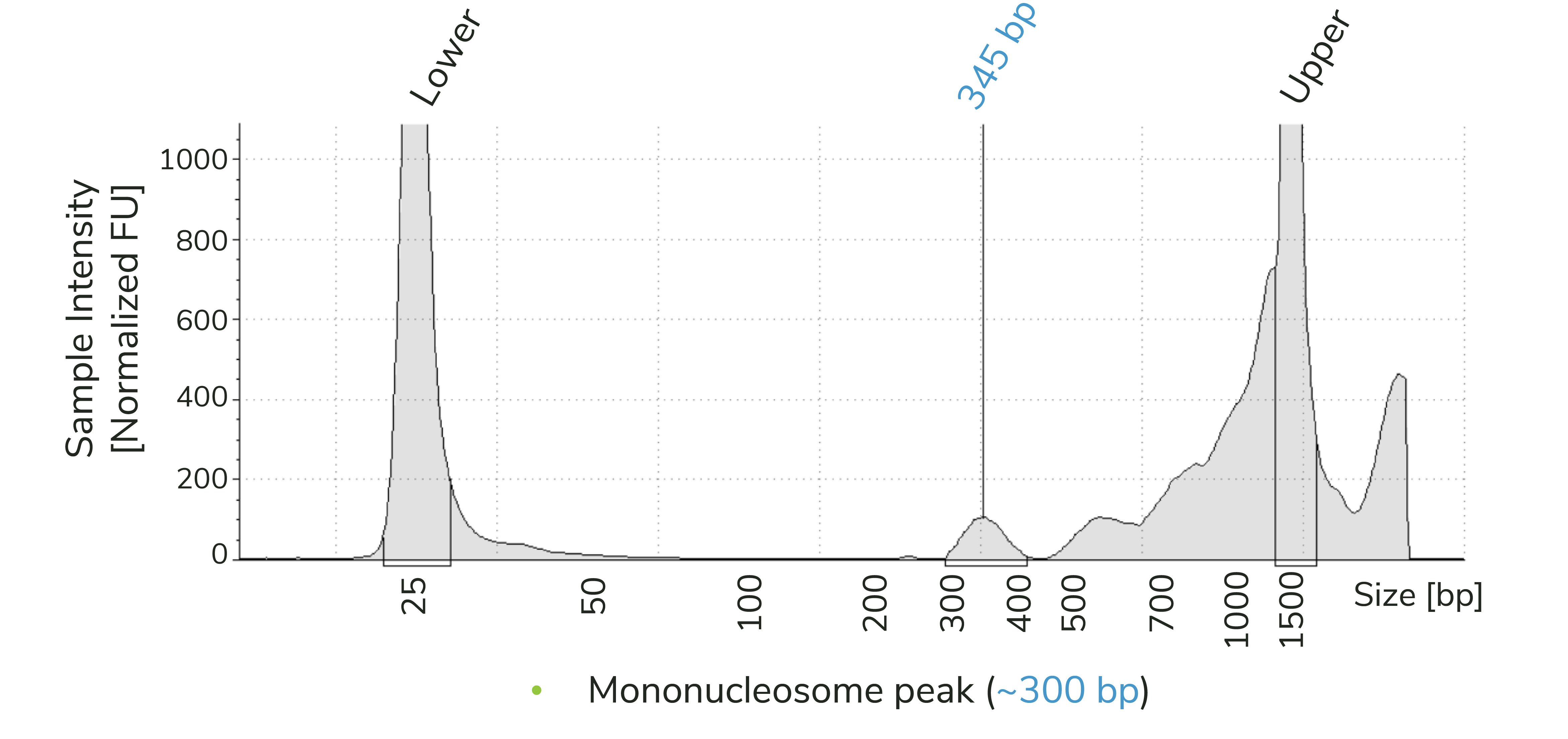
Figure 2. Example of TapeStation trace from an under-tagmented ATAC-seq library.
To troubleshoot undertagmented ATAC-seq reactions, consider increasing tagmentation time, or using additional Tn5 Transposome, especially if less than the recommended 5 Units of Tn5 Transposase was used.
If under-tagmentation is observed under conditions that were previously successful (same sample, number of nuclei, and Units of enzyme), and the failure can’t be attributed to poor sample quality or technical failure, check to ensure your Tn5 Transposome has been stored correctly and is not expired – refer to this article on Tn5 Transposome stability.
Over-tagmentation
An over-tagmented library presents a single, sloping peak around 200 bp (Figure 3). While sequencing this library may provide genomic tracks that appear like real ATAC-seq signal, the loss of nucleosomal laddering indicates tagmentation took place at inaccessible, protein-bound regions of the genome. Over-tagmented libraries result in lower signal-to-noise and lower FriP scores. For context, tagmentation of purified genomic DNA (completely accessible and free of proteins) would generate a similar trace.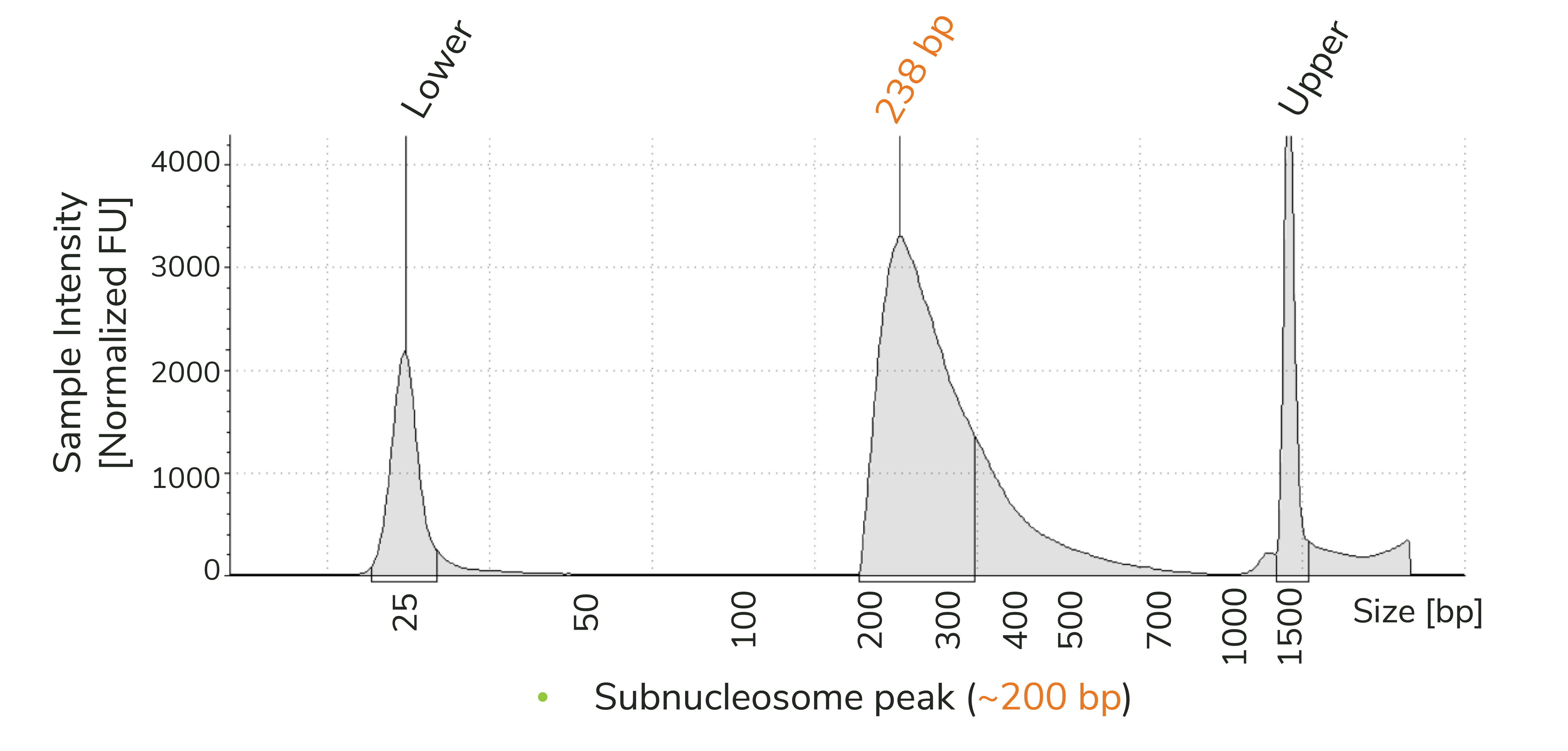
Figure 3. Example of TapeStation trace from an over-tagmented ATAC-seq library.
To troubleshoot over-tagmented ATAC-seq reactions, consider reducing the amount of Tn5 transposome in the reaction. Dilute Tn5 Transposome with Enzyme Diluent (provided in the kit) fresh on the day of the experiment to achieve fewer Units of enzyme per reaction. Ensure 2.5 µL of enzyme are added to each reaction, regardless of dilution.